In 2002 Lydia Fairchild applied for government assistance in Washington State. As part of the process, DNA tests were done on her children. The result: they were not genetically hers. Embryo Project Encyclopedia
A case of fraud?
The state accused her of fraud. Embryo Project Encyclopedia Prosecutors even asked for her children to be taken into foster care, and lawyers she approached did not want to argue with DNA evidence. McGill Office for Science and Society
Another mother, another impossible result
A few years earlier a woman called Karen Keegan had needed a kidney transplant. When her family were tested as possible donors, she was told she was not the mother of two of her three sons. Scientists tested her hair, skin, mouth cells and stored tissue, and found two different DNA profiles in some of them. McGill Office for Science and Society
Keegan’s case was reported in the New England Journal of Medicine. Fairchild’s lawyer came across it, and a sample from Fairchild’s cervix turned out to match her children. She was a chimera too. Embryo Project Encyclopedia
Two embryos, one person
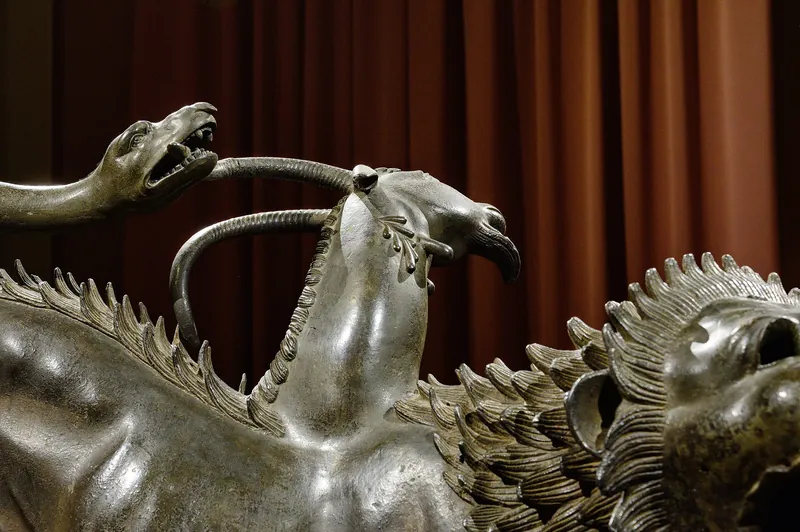
The name comes from the Chimera, a monster of Greek myth made of a lion, a goat and a serpent. McGill Office for Science and Society In genetics a chimera is a single body made from cells of at least two genetically different fertilised eggs. McGill Office for Science and Society
One way it happens: two eggs are fertilised by two sperm, as with fraternal twins, but very early in development the two embryos fuse into one. Embryo Project Encyclopedia Scientists call this tetragametic chimerism, because four sex cells went into one person. It has also been called “the vanishing twin”. McGill Office for Science and Society
Twins who share a blood supply in the womb can also swap cells and carry a little of each other for life. McGill Office for Science and Society
How common?
Nobody knows exactly, but tetragametic chimerism appears to be rare. With so many paternity and home DNA tests now done, scientists think a large hidden population would probably have shown up by now. McGill Office for Science and Society