Every schoolchild learns that there are two kinds of twins. Identical twins come from one fertilised egg that splits. Fraternal twins come from two eggs. In 2019 doctors in Australia described a pair who were neither. UNSW Sydney
A scan that didn’t add up
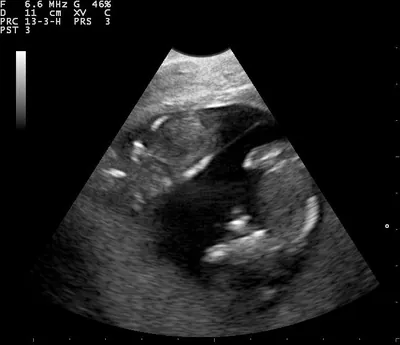
At six weeks, the mother’s ultrasound showed a single placenta, with the babies’ sacs arranged in a way that suggested identical twins. At 14 weeks a second scan showed a boy and a girl, which is not supposed to be possible for identical twins. UNSW Sydney
Genetic tests on the amniotic fluid showed that the twins were identical on their mother’s side but shared only about 78 per cent of their father’s genome. They were “sesquizygotic”: genetically in between identical and fraternal. New England Journal of Medicine
One egg, two sperm
The researchers think the mother’s egg was fertilised by two of the father’s sperm at the same moment, and that the cells then divided into two groups that became the twins. UNSW Sydney One sperm carried an X chromosome and the other a Y. Reuters
How rare?
The Brisbane twins were only the second semi-identical pair ever reported; the only other reported case was uncovered in 2007. Reuters The researchers looked through genetic data from 968 pairs of fraternal twins and their parents and found no others. New England Journal of Medicine At four, the twins were healthy and had reached all their developmental milestones. UNSW Sydney
And identical twins who are a boy and a girl
Stranger still, identical twins of opposite sexes are possible. In extremely rare cases a male embryo splits into two, and a copying error with the sex chromosomes leaves one twin developing as a girl. Only a few cases have been reported in the medical literature. Washington State Twin Registry